

Tools Deals
Add a review FollowOverview
-
Founded Date September 18, 1948
-
Sectors Cell Biology
-
Posted Jobs 0
-
Viewed 6
Company Description
What’s The Current Job Market For Power Tools Professionals Like?
The Essential Guide to Power Tools: Unlocking Potential for DIY Projects
Power tools have actually changed the method both professionals and DIY lovers approach jobs varying from woodworking to metalworking and beyond. With a large variety of choices readily available on the market, it’s necessary to understand the different types of power tools, their applications, and how to use them securely and successfully. This comprehensive guide will supply valuable insights into the world of power tools, helping you choose the best ones for your tasks while guaranteeing security and effectiveness.
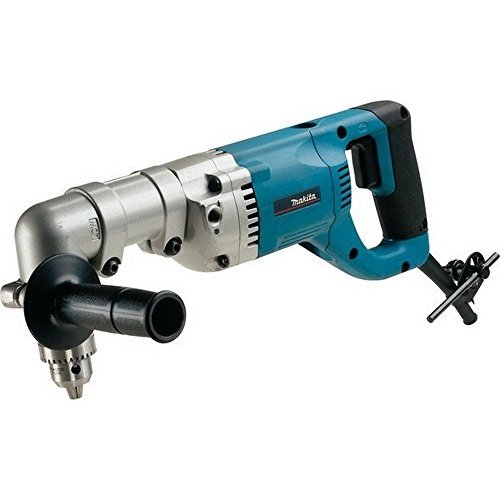
Kinds Of Power Tools
Power tools can be broadly classified into two categories: corded and cordless. Each category has its benefits and disadvantages, making them appropriate for numerous applications. Below is an in-depth list of common power tools you may consider.
Corded Power Tools
Corded tools are powered through an electrical outlet, offering constant power without the requirement for battery management. Below are some common corded power tools:
-
Drills
- Application: Drilling holes and driving screws.
- Functions: Typically have higher torque and constant power.
-
Saws
- Types: Circular saw, jigsaw, band saw.
- Application: Cutting wood, metal, and other products.
- Features: Greater cutting power and precision.
-
Grinders
- Application: Grinding, honing, and polishing.
- Functions: High RPM (revolutions per minute) for efficient work.
-
Planers
- Application: Smoothing wood surface areas.
- Features: Adjustable depth for various densities.
Cordless Power Tools (8.217.32.95)
Cordless tools run on rechargeable batteries, offering convenience and portability. Here are numerous essential cordless tools:
-
Cordless Drills
- Application: Drilling and screwing without the inconvenience of cables.
- Functions: Lightweight and easy to maneuver.
-
Reciprocating Saws
- Application: Demolition and cutting in tight areas.
- Features: Versatile blade alternatives for different materials.
-
Effect Drivers
- Application: Fastening screws and nuts, providing high torque.
- Features: Compact and created for durable use.
-
Cordless Nailers
- Application: Driving nails rapidly without manual effort.
- Features: Ideal for framing, roof, and ending up tasks.
Safety Tips for Using Power Tools
Using Power Tools Online Shop tools features fundamental risks. It is vital to follow security practices to decrease the opportunity of accidents. Here are some important security ideas:
-
Wear Personal Protective Equipment (PPE):
- Safety glasses to protect eyes.
- Hearing security when required.
- Gloves ideal for the job at hand.
-
Read the Manual:
Familiarize yourself with the tool’s functions, abilities, and constraints. -
Inspect Tools Regularly:
Check for any indications of wear or damage before usage. -
Operate in a Clean Area:
Keep the workspace organized to avoid journey threats. -
Use the Right Tool Shop Near Me for the Job:
Ensure the tool is created for your specific job to avoid misuse. -
Disconnect When Changing Accessories:
Always disconnect tools from power sources when changing bits or blades to avoid unexpected activation.
Best Practices for Maintaining Your Power Tools
Appropriate maintenance lengthens the life of power tools, ensuring they perform efficiently when needed. Below are some best practices:
-
Clean After Each Use:
Remove dust, debris, and any other impurities. -
Store Properly:
Keep tools in a dry, safe and secure place, ideally with protective sheathing. -
Check and Replace Batteries:
Regularly inspect rechargeable batteries and replace them as required. -
Sharpen Blades:
Keep cutting edges sharp for better performance and safety. -
Schedule Professional Servicing:
Occasionally get your tools serviced by a professional, particularly if they are utilized frequently.
Regularly Asked Questions (FAQs)
1. What are the primary differences in between corded and cordless power tools?
Corded tools offer constant Power Tool Supplies and are normally more powerful, making them perfect for sturdy jobs. Cordless tools, conversely, provide greater mobility and convenience.
2. How do I choose the best power tool for my project?
Consider the type of work, required power, and whether portability is vital. Checking out reviews and getting recommendations can also help ensure you pick the suitable tool.
3. How typically should I carry out upkeep on my power tools?
It depends upon use frequency. For frequently utilized tools, a comprehensive cleaning and inspection after every usage is advisable. Less frequently utilized tools can be checked and maintained quarterly.
4. Exist battery types I should prefer for cordless tools?
Lithium-ion batteries are usually preferred for their lighter weight and longer life compared to nickel-cadmium batteries.
5. Is it safe to utilize power tools in wet conditions?
No, running power tools in damp conditions positions substantial threats of electric shock. Always ensure your work space is dry.
Power tools have actually ended up being vital in numerous applications, from hobbyist woodworking to expert building. Understanding the kinds of tools available, sticking to safety protocols, and keeping them properly ensures that these tools can be utilized to their full potential. As technology advances, power tools continue to evolve, making it vital for users to remain informed about the most recent developments and best practices. When used responsibly, power tools can change any job into a masterpiece.
Table: Overview of Common Power Tools
| Tool Type | Application | Power Source | Secret Features |
|---|---|---|---|
| Corded Drill | Drilling/Screwing | Corded | Constant power, high torque |
| Circular Saw | Cutting | Corded | Precision cutting, various sizes |
| Cordless Drill | Drilling/Screwing | Cordless | Light-weight, portable |
| Reciprocating Saw | Demolition/Cutting | Cordless | Versatile for various materials |
| Impact Driver | Fastening | Cordless | High torque, compact style |
| Grinder | Grinding/Sharpening | Corded | High RPM for efficient work |
| Cordless Nailer | Driving Nails | Cordless | Quick securing, no handbook effort |
By empowering individuals with the understanding of picking and properly utilizing power tools, this guide seeks to boost efficiency, safety, and total complete satisfaction in DIY and professional projects alike.