Telc Zertifikat B1
Add a review FollowOverview
-
Founded Date May 11, 1948
-
Sectors Law
-
Posted Jobs 0
-
Viewed 45
Company Description
So , You’ve Purchased B1 Certificate … Now What?
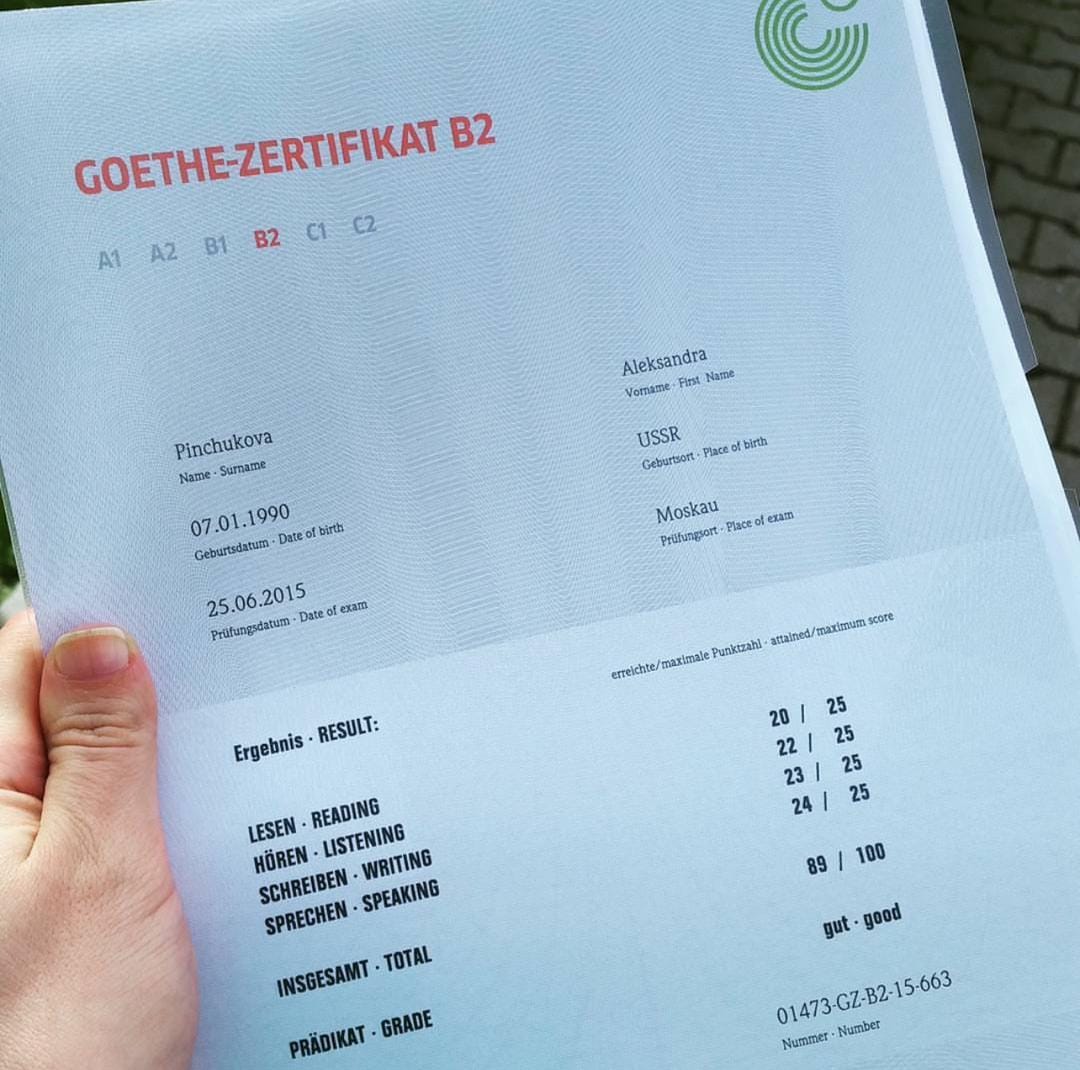
Understanding the B1 Certificate: A Comprehensive Guide
The B1 Certificate is an important turning point for lots of people looking for to confirm their English language proficiency. Whether for personal development, academic opportunities, or expert potential customers, accomplishing a B1 level on the Common European Framework of Reference for Languages (CEFR) opens doors to various chances. This post will explore the B1 Certificate thorough, covering its importance, efficiency abilities, preparation strategies, and regularly asked concerns.
What is the B1 Certificate?
The B1 Certificate represents an intermediate level of English efficiency. It suggests that a student has sufficient knowledge of the English language to communicate successfully in everyday circumstances. According to the CEFR, people at the B1 level can:
- Understand the main points of clear basic input on familiar matters.
- Handle many scenarios most likely to occur while traveling in a location where the language is spoken.
- Produce basic linked text on subjects that recognize or of individual interest.
- Describe experiences, events, dreams, and goals, as well as briefly describe reasons and opinions.
Significance of the B1 Certificate
The B1 Certificate holds significant significance, particularly in today’s globalized world. Here are some reasons individuals might pursue this accreditation:
| Purpose | Significance |
|---|---|
| Education | Lots of scholastic organizations need evidence of English efficiency for admission. |
| Employment | Employers frequently seek prospects with a verifiable level of language abilities. |
| Travel | Improves travel experiences by making it possible for effective communication in English-speaking nations. |
| Personal Development | Improves confidence in using the language for personal and social interactions. |
| Credentials | An essential requirement for some employment and expert courses. |
B1 Proficiency Skills
To attain a B1 Certificate, learners are examined on different language abilities, specifically:
-
Listening Comprehension:
- Understand straightforward info and messages related to work, school, leisure, etc.
- Recognize the bottom lines in conversations that connect to familiar topics.
-
Speaking:
- Use English to deal with fundamental interaction in work, school, and social scenarios.
- Supply easy factors and descriptions for viewpoints, plans, and actions.
-
Checking out:
- Read straightforward texts and comprehend the essences.
- Understand descriptions of occasions, feelings, and dreams.
-
Writing:
- Create simple linked text on familiar topics.
- Compose individual letters or messages and describe occasions or experiences.
Efficiency Table
To much better understand the B1 efficiency level, here is a breakdown comparing levels within the CEFR structure:
| CEFR Level | Description | Skills |
|---|---|---|
| A1 | Newbie level, can understand and utilize simple expressions. | Fundamental speaking, listening, reading, and writing. |
| A2 | Elementary level, can communicate in simple tasks that require a direct exchange of details. | Simple interactions with native speakers. |
| B1 | Intermediate level, can handle everyday circumstances and produce easy texts. | More complex interaction and understanding. |
| B2 | Upper-intermediate level, can comprehend the main points of intricate texts. | More reliable in conversations, and can elaborate viewpoints. |
| C1 | Advanced level, can produce clear and well-structured texts, and comprehend a wide variety of demanding texts. | Effective use of language in scholastic and professional contexts. |
| C2 | Mastery level, can understand with ease essentially everything heard or read. | Near-native fluency in all contexts. |
Preparing for the B1 Certificate
Preparation is vital for success in acquiring the B1 Certificate. Prospects can follow these strategies to improve their preparedness:
1. Assess Current Proficiency
Prospects are encouraged to take a positioning test to evaluate their existing level of English. This will notify them of the locations they require to focus on the most.
2. Establish a Study Plan
A structured research study plan that consists of daily or weekly goals can help students remain on track. The strategy must include geothe zertifikat 4 All four skills– listening, speaking, reading, and composing.
3. Utilize Resources
Many resources are available for B1 exam preparation, consisting of:
- Language textbooks and workbooks specifically created for B1 level students.
- Online courses and mobile applications providing interactive language workouts.
- English language podcasts and videos to enhance listening abilities.
4. Practice Speaking
Engagement in conversation with native or proficient speakers can considerably boost speaking skills. Language exchange programs, discussion clubs, or online platforms can facilitate this practice.
5. Mock Exams
Taking practice tests under timed conditions enables candidates to familiarize themselves with the format and pressure of the real test.
6. Feedback and Assessment
Getting feedback on composed and spoken tasks can help recognize strengths and locations needing improvement. Candidates can look for assistance from instructors or language tutors for targeted support.
Often Asked Questions (FAQs)
Q: What kinds of tests can I take to get the B1 Certificate?A: Various organizations
use B1 level examinations, including Cambridge English(PET ), TOEFL, and IELTS. Each exam has different formats, so it’s vital to choose one that aligns with your objectives. Q: How long does it take to get ready for the B1 exam?A: Preparation time
differs based upon individual efficiency levels; normally, it takes
about 200-300 hours of research study for prospects starting at a lower level. Q: Is the B1 Certificate acknowledged worldwide?A: Yes, the B1 Certificate is commonly acknowledged in academic institutions and
companies around the world, particularly in English-speaking nations. Q: Can I retake the B1 exam if I fail?A: Yes, candidates can retake the exam as sometimes as they wish. However, it is a good idea to deal with the locations of weakness
before retaking the test. Q: What need to I do if I pass the B1 exam?A: After passing, think about advancing to the B2 level to even more boost your English efficiency and expand your chances. Accomplishing the B1 Certificate is a good goal for anyone looking to validate their English language skills. Not only does it work as a stepping stone for additional research studies and profession advancement, but it likewise improves individual experiences in a progressively interconnected world. With the right preparation and commitment, candidates can browse their way to success and delight in the many advantages of exceling in English. Whether for travel, work, or personal satisfaction, the B1 Certificate empowers individuals to communicate confidently and effectively.