

Repair Timber Windows
Add a review FollowOverview
-
Founded Date February 23, 2003
-
Sectors Microbiology
-
Posted Jobs 0
-
Viewed 48
Company Description
How To Outsmart Your Boss With Fix My Door
Fix My Door: A Comprehensive Guide to Repairing Common Door Problems
Doors are essential components in any structure, providing security, privacy, and visual appeal. However, gradually, doors experience wear and tear, causing a variety of issues that can disrupt their functionality. This guide will explore common door issues, reliable repair solutions, and preventative procedures to maintain door quality, guaranteeing they run effortlessly for many years to come.
Common Door Problems
Before addressing the repair procedures, it is vital to identify the most prevalent door problems. Below is a comprehensive table highlighting typical door issues and their possible causes:
| Problem | Possible Causes |
|---|---|
| Door Sticking | Humidity, warping, misalignment |
| Squeaky Hinges | Lack of lubrication or rusty hinges |
| Door Not Closing | Misalignment, debris in the door frame, harmed lock |
| Cracked or Damaged Door | Effect, weather condition exposure, age |
| Loose Doorknob | Used screws, harmed internal parts |
Repairing Common Door Issues
1. Sticking Doors
Causes: Sticking doors typically arise from humidity changes, which can trigger wooden doors to swell or warp. Misalignment during installation can also contribute.
Solutions:
- Identify the Problem Area: Slide the door in and out to identify where it is sticking.
- Sanding: Use fine-grit sandpaper to carefully sand down the area where the door is sticking. Be mindful and inspect often to avoid oversanding.
- Plane the Door: If sanding does not work, think about utilizing a hand planer to slash off a percentage of product from the edge of the door.
2. Squeaky Hinges
Causes: Over time, door hinges collect dirt, dust, and rust, causing squeaks and creaks when the door is moved.
Solutions:
- Lubrication: Apply a penetrating lubricant or silicone spray to the hinge. Open and close the door numerous times to work the lube into the hinge.
- Cleaning up: If rust exists, tidy the hinges with vinegar or a rust cleaner, then lube them immediately later.
3. Door Not Closing Properly
Causes: Misalignment, particles in the door frame, or a malfunctioning latch can avoid a door from closing as it should.
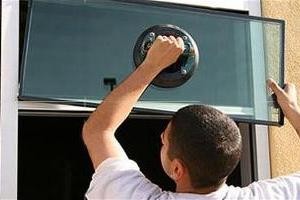
Solutions:
- Check for Obstructions: Inspect the area around the door frame for particles. Clear out any collected dust or objects that might impede closure.
- Adjust the Hinges: Tighten or change hinge screws to realign the door. If the door is drooping, including washers might assist raise it back into position.
- Examine the Latch: If the latch is damaged, changing it may be required.
4. Cracked or Damaged Door
Causes: Impact, weather exposure, and aging can cause wood doors to split.
Solutions:
- Small Cracks: Fill small fractures with wood filler or putty, then sand down the area when dried. Complete with paint or stain to match the door.
- Big Cracks: For bigger issues, consider enhancing with wood glue and clamps, then sanding and ending up. If the damage is serious, replacement might be required.
5. Loose Doorknob
Causes: Over time, doorknobs can become loose due to wear and tear, particularly in areas of frequent use.
Solutions:
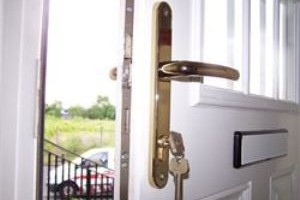
- Tighten the Screws: Using a screwdriver, tighten up the screws on the doorknob. If the screws are removed, think about replacing them with new ones.
- Examine Internal Components: If tightening up does not deal with the problem, dismantle the doorknob to inspect for any damaged parts that might need replacement.
Preventative Measures for Door Maintenance
Taking proactive steps can extend the lifespan of doors and minimize the frequency of double glazed repairs near me (Https://www.poppyjennas.top/maintenance/windows-and-door-replacement-A-comprehensive-Guide/). Here are some helpful pointers to preserve door integrity:
- Regular Inspections: Periodically inspect doors for any signs of wear and tear.
- Weatherproofing: Apply weatherstripping to avoid wetness damage and maintain climate control inside.
- Lubrication: Regularly oil hinges to avoid squeaking and wear.
- Refinishing: Consider refinishing wooden doors every few years to protect against moisture and UV direct exposure.
- Use Proper Hardware: When setting up or replacing parts, guarantee high-quality hardware is utilized.
FAQs
Q1: How often must I keep my doors?A: It is a good idea to inspect and keep doors a minimum of when a year; however, high-traffic doors might need more frequent checks. Q2: Can I fix a sticking door myself?A: Yes, many sticking door problems can be solved with easy tools like sandpaper or
a hand planer. Q3: Is it needed to change a broken door?A: Not necessarily. Small fractures can often be repaired successfully
with wood filler or glue, but considerable damage may call for replacement. Q4: What should I utilize to lube door hinges?A: Silicone spray, Tri-Flow, or penetrating oil are excellent choices for lubricating hinges. Q5: How can I prevent my wooden door from warping?A: Keep wetness levels steady and make sure appropriate sealing and ending up of the door to decrease the threat of warping.
Understanding the common door issues and their respective solutions is important for preserving practical and visually pleasing doors. Routine evaluations, preventative maintenance, and timely repairs can prolong the life of doors, enhancing their efficiency and appearance. With this thorough guide, homeowners can confidently resolve door problems and restore their doors to optimal conditions.