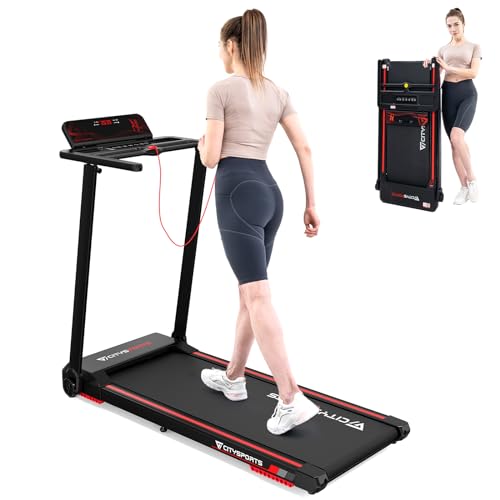
Non-Folding Treadmill
Add a review FollowOverview
-
Founded Date September 12, 1918
-
Sectors Veterinary
-
Posted Jobs 0
-
Viewed 16
Company Description
Non Powered Treadmill Tools To Streamline Your Daily Life Non Powered Treadmill Technique Every Person Needs To Be Able To
The Rise of Non-Powered Treadmills: A Deep Dive into Their Benefits and Features
In a world increasingly concentrated on health, health, and physical fitness, the options for exercise devices seem endless. Among these, non-powered treadmills are acquiring substantial traction. These devices, which do not depend on electrical power to run, provide a distinct mix of advantages and advantages that deal with a varied audience. This post explores the features, benefits, and considerations related to non-powered treadmills, while also responding to typical concerns surrounding them.
What is a Non-Powered Treadmill?
A Non powered treadmill-powered treadmill, frequently described as a manual treadmill, is a type of treadmill that is operated by the user’s motion rather than an electric motor. Users power the belt forward by walking or running, making it a flexible choice for cardio workouts. Non-powered treadmills are frequently seen in home fitness centers, fitness studios, and rehab centers due to their simplicity and effectiveness.
Comparison: Non-Powered vs. Powered Treadmills
To understand the growing appeal of non-powered treadmills, it’s essential to compare them against their powered equivalents. The table listed below highlights some essential distinctions:
| Feature | Non-Powered Treadmill For Walking | Powered Treadmill |
|---|---|---|
| Source of power | Manual (user-driven) | Electric (motor-driven) |
| Cost | Normally more budget friendly | Typically more pricey |
| Maintenance | Low maintenance needs | Higher upkeep requirements |
| Space Requirements | Usually less bulky | Can be big and heavy |
| Incline Adjustment | Manual adjustments | Automatic settings available |
| Workout Intensity | Variable; depends on user effort | Constant; speeds set by the user |
| Threat of Injury | Lower, promotes natural movement | Greater, due to speed settings |
Training Benefits of Non-Powered Treadmills
-
Engagement of Core Muscles: Non-powered treadmills necessitate a higher level of balance and core engagement. Users should support themselves, which in turn includes core strength into the exercise.
-
Natural Running Mechanics: As users propel the tread, they imitate natural running or walking methods, lowering the risks of injury related to hectic powered treadmills.
-
Customizable Speed and Intensity: Because the treadmill depends on user effort, individuals can pick their exercise pace, making it ideal for both newbies and advanced athletes.
-
Increased Caloric Burn: Research suggests that users might burn more calories on a non-powered treadmill compared to a powered one at comparable intensities. The factor? Manual treadmills can push the body to work more difficult and to preserve a greater level of strength throughout the exercise.
-
Sturdiness: Non Electric Running Machine-powered treadmills are normally more rugged and developed to last, with fewer electronic elements that might fail with time.
Factors to consider for Choosing a Non-Powered Treadmill
Before making a purchase, potential buyers ought to consider the following functions:
| Feature | Considerations |
|---|---|
| Weight Limit | Ensure it suits your physique and needs |
| Belt Size | A larger belt can offer more convenience, particularly for running |
| Incline Settings | Look for options to change incline for varying exercise strength |
| Frame Construction | Select long lasting materials that can hold up against extensive use |
| Mobility | Consider designs that are simple to move or store out of the way |
Often Asked Questions (FAQ)
1. Are non-powered treadmills ideal for everybody?Yes, these treadmills are normally appropriate for users of all fitness levels. However, people with specific health concerns should seek advice from a doctor before beginning any brand-new exercise program.
2. How much do non-powered treadmills cost?Rates can vary widely, typically varying from ₤ 200 to upwards of ₤ 2,000 based on quality and functions. Manual options tend to be more budget friendly than powered variations.
3. How do I keep a non-powered treadmill?Maintenance tends to be minimal; just ensure that the belt is tidy and look for wear and tear occasionally. It’s also essential to keep moving parts lubed for smooth operation.
4. Can I run or walk on a non-powered treadmill?Yes, non-powered treadmills are developed for both Walking Treadmill Uk and running. Users can adjust their exercise intensity based on speed and stride.
5. Do I require to adjust the incline by hand?Yes, most non-powered treadmills need manual modifications for incline changes, allowing users to differ their exercises as desired.
The non-powered treadmill stands as a practical and reliable workout solution, ideal for those aiming to boost their workout regimen without the intricacies of powered makers. By supplying a strenuous exercise that engages the core and works the body holistically, these treadmills are developed to produce a reliable cardio experience that deals with all fitness levels. Their price, resilience, and total efficiency for calorie burning contribute to their increase in appeal.
Whether you are an experienced athlete trying to find a harder workout or a beginner taking those initial steps toward fitness, non-powered treadmills use an inviting alternative to the traditional electric treadmill. With the included benefit of lower upkeep and expense, they deserve factor to consider on your fitness journey.