

Metal Ramp For Wheelchair
Add a review FollowOverview
-
Founded Date April 17, 1975
-
Sectors Chemistry
-
Posted Jobs 0
-
Viewed 20
Company Description
Guide To Mobility Scooter Ramps: The Intermediate Guide In Mobility Scooter Ramps
Understanding Mobility Scooter Ramps: A Comprehensive Guide
Mobility scooter ramps are important tools that enhance availability for people who depend on mobility scooters. They supply a way for users to browse different surfaces and conquer physical barriers with ease. This blog site will look into the types, advantages, picking criteria, setup, upkeep, and even specific regularly asked questions, supplying a comprehensive understanding of mobility scooter ramps.
What are Mobility Scooter Ramps?
Mobility scooter ramps tend surface areas that assist users in transitioning between numerous heights. Typically found in both domestic and public areas, these ramps assist in simple access to buildings, cars, and outside areas, making mobility scooters much more easy to use.
Types of Mobility Scooter Ramps
Comprehending the types of ramps available can help users select the best one for their needs. The following table sums up the primary kinds of mobility scooter ramps:
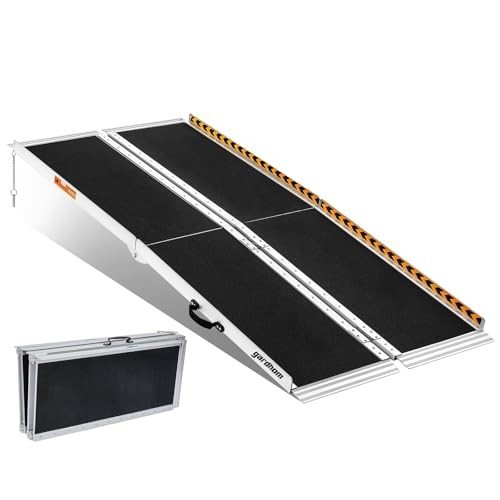
| Type | Description | Ideal Use Case | Weight Capacity |
|---|---|---|---|
| Folding Ramps | Lightweight, portable ramps that can be folded for easy storage | Short-term use, travel, or temporary needs | Up to 800 pounds |
| Wheelchair Access Ramp Ramps | Larger ramps fit for both mobility scooters and wheelchairs | Irreversible installations, public access | As much as 1000 lbs |
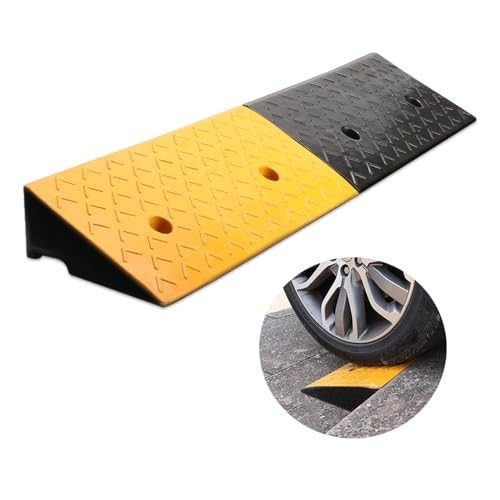
| Threshold Ramps | Small ramps developed to bridge doorways and small height modifications | Transitioning in between spaces or from outdoors to inside | Up to 600 lbs |
| Vehicle Ramps | Heavy-duty ramps designed for loading scooters into vehicles | Transport of scooters in vans or SUVs | Up to 1200 pounds |
| Solid Ramps | Irreversible, durable ramps made from long lasting materials | Long-term installations in your homes or services | Varies (speak with specifications) |
Benefits of Mobility Scooter Ramps
Using mobility scooter ramps has several benefits:
- Increased Accessibility: Ramps provide access to areas that might otherwise be inaccessible, making sure that mobility scooter users can browse their environments more easily.
- Improved Safety: By supplying a smooth slope, ramps lessen the danger of accidents such as falls, benefiting both users and caregivers.
- Self-reliance: Users can go in and out of cars, homes, or centers without needing support, boosting self-confidence and independence.
- Versatility: Ramps come in many styles and sizes, accommodating various needs from home use to mobility at public areas like mall and parks.
- Relieve of Installation: Many ramps, specifically folding and threshold designs, are simple to install and can frequently be done without professional help.
Choosing the Right Mobility Scooter Ramp
Choosing the appropriate ramp involves mindful consideration of several factors. Here are some essential points to think about:
| Factor | Description | Suggestion |
|---|---|---|
| Height | Measure the height that requires to be bridged | Choose a ramp with a suitable slope ratio (1:12 ratio for availability). |
| Weight Capacity | The overall weight of the scooter and the user. | Guarantee that the ramp can support a minimum of 20% more than the combined weight. |
| Product | Common materials consist of aluminum, fiberglass, and plastic. | Select based upon sturdiness, weight, and meant usage. |
| Length | Think about available space for ramp extension. | Longer ramps supply gentler slopes, making them easier to browse. |
| Portability | Figure out if you need an irreversible or portable ramp. | Select folding ramps for travel; solid ramps for long-term installations. |
Installation of Mobility Scooter Ramps
Installing a mobility scooter Wheel Chair Ramp can be simple, specifically for those selecting portable or threshold choices:
- Measure the Height: Evaluate the height in between the ground and the landing area (like a porch or automobile).
- Pick the Right Ramp: Based on the height and weight capacity needed.
- Prepare the Area: Ensure the ground is steady and the landing location is clear from blockage.
- Secure the Ramp: For completely installed ramps, speak with the maker’s guidelines for anchoring. Portable ramps should be placed securely to prevent slipping.
- Routine Check: Ensure that the ramp remains stable and safe after installation, inspecting for signs of wear or damage.
Maintenance of Mobility Scooter Ramps
To guarantee the longevity of ramps and the security of users, upkeep is essential:
- Regular Inspection: Check for any indications of wear, rust, or instability.
- Cleaning: Regularly tidy the ramp to eliminate dirt and debris, which may trigger slips.
- Lube Hinges: For folding ramps, make sure to oil any hinges or moving parts to make sure smooth operation.
- Inspect Weight Limits: Always comply with defined weight limits and scan for extreme wear marks.
Frequently Asked Questions (FAQ)
Q1: Can I use a mobility scooter ramp for my Foldable Wheelchair Ramps?A1: Yes, the majority of mobility scooterramps can accommodate wheelchairs as well. However, ensure that the ramp is wide enough and has a proper weight capacity. Q2: Are there any laws relating to using ramps?A2: Yes, various regulations worldwide might determine the specs for public ramps(
like ADA in the United States ). It’s best to familiarize yourself with these standards. Q3: How do I identify the proper ramp length?A3: A frequently followed standard recommends a 1:12 slope.
For each inch of height, a ramp should be 12 inches
long. Q4: Can I set up a mobility scooter ramp myself?A4: Yes, many ramps are easy to use and can be installed without a professional, particularly portable options. However, for long-term ramps, speaking with an expert may be beneficial. Mobility scooter ramps serve crucial roles in promoting self-reliance and ease of access for users. Understanding the various types, advantages, setup processes, and upkeep techniques can ensure a safe and satisfying experience. When making choices about mobility services, investing in a quality ramp is an essential action toward enhancing daily mobility for those who require it.