

Kitchen Hood
Add a review FollowOverview
-
Founded Date February 9, 1902
-
Sectors Cell Biology
-
Posted Jobs 0
-
Viewed 8
Company Description
The 10 Scariest Things About Cooker Hood Extractor Fan
The Essential Guide to Cooker Hood Extractor Fans
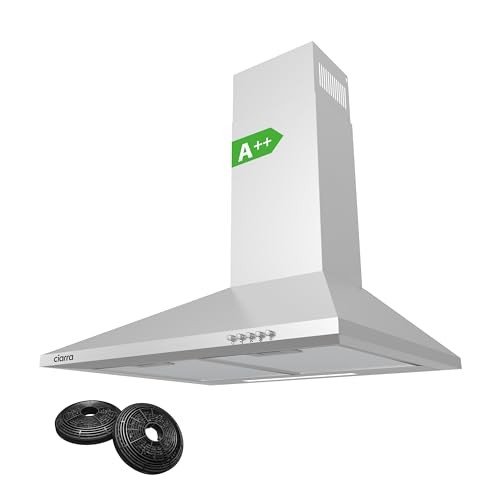
In any modern kitchen, a cooker hood extractor fan serves not simply a functional function, but likewise adds design and aesthetic attract the cooking space. These devices are developed to get rid of smoke, steam, and smells while cooking, making sure a more pleasant and healthier environment. This thorough guide will check out whatever you require to understand about cooker hood extractor fans, including their types, installation, upkeep, and often asked questions.
Tabulation
- What is a cooker hood extractor fan (https://Www.Natashabloodworth.top/technology/clear-the-air-choosing-the-perfect-cooker-extractor-hood-for-your-kitchen/)?
- Types of Cooker Hood Extractor Fans
- 2.1 Wall-mounted Hoods
- 2.2 Under-cabinet Hoods
- 2.3 Island Hoods
- 2.4 Downdraft Hoods
- Secret Considerations Before Purchase
- Setup Process
- Maintenance Tips
- Benefits of Using a Cooker Hood Extractor Fan
- Frequently asked questions
- Conclusion
1. What is a Cooker Hood Extractor Fan?
A cooker hood extractor fan is an appliance set up above the cooking area to filter air-borne grease, smoke, steam, and odors produced while cooking. These fans either vent air outside (extraction) or filter air and recirculate it back into the kitchen (recirculation). The choice of design depends mainly on kitchen style, cooking practices, and ventilation requirements.
2. Kinds Of Cooker Hood Extractor Fans
Understanding the different types of cooker hood extractor fans can help one choose the ideal one for their kitchen setup.
| Type | Description | Pros | Cons |
|---|---|---|---|
| Wall-mounted Hoods | Installed versus a wall, these are available in numerous designs and sizes. | Space-saving, trendy designs available. | May block upper cabinets. |
| Under-cabinet Hoods | Mounted straight under kitchen cabinets, these hoods are useful for compact spaces. | Does not take extra area; efficient suction. | Restricted capacity for high-output cooking. |
| Island Hoods | Suspended above kitchen islands, these hoods often include a more decorative design. | Provides a focal point in open kitchens. | Requires proper ceiling height for installation. |
| Downdraft Hoods | Developed to rise from the countertop when required and withdraws back when not in usage. | Sleek design; perfect for islands. | More expensive; requires mindful setup. |
3. Key Considerations Before Purchase
When shopping for a cooker hood extractor fan, numerous elements must be considered:
- Size: Ensure the hood is broad enough to cover the cooking surface area properly.
- CFM Rating (Cubic Feet per Minute): This determines the air flow. Higher CFM is better for more extreme cooking.
- Sound Level: Consider the decibel level; quiet fans operate listed below 60 dB.
- Venting Type: Decide in between ducted (vents outside) and ductless (filters and recirculates).
- Filter Type: Options consist of charcoal, aluminum, or a combination– this affects maintenance and effectiveness.
4. Setup Process
While professional setup is often recommended, fundamental standards can assist house owners install their cooker hood extractor fans efficiently.
- Choose the Location: The optimal height for setup above the cooking surface area is usually 24 to 36 inches.
- Collect Tools: Required tools may include a drill, screwdriver, level, and measuring tape.
- Install Ductwork (if essential): For ducted systems, direct the ductwork to the exterior of the home without sharp bends.
- Secure the Hood: Follow the maker’s standards to connect the hood firmly to the wall or cabinetry.
- Link Electricals: Make sure the electrical connections supply sufficient power; speak with an electrician if unsure.
5. Maintenance Tips
To keep a cooker hood extractor fan operating efficiently, upkeep is necessary. Here are some tips:
- Regularly Clean Filters: Depending on usage, clean metal filters every 4 to 6 weeks. Charcoal filters might require replacement every 3 to 6 months.
- Clean Down Surfaces: Use moderate cleaning agent and a soft cloth to clean the exterior and prevent grease buildup.
- Look for Blockages: Periodically inspect ducts to ensure there are no clogs or buildup that can impede air flow.
6. Advantages of Using a Cooker Hood Extractor Fan
Investing in a cooker hood extractor fan comes with numerous benefits:
- Improved Air Quality: They eliminate airborne particles, decreasing the existence of smoke and fumes in the kitchen.
- Boosted Cooking Experience: A well-ventilated kitchen makes cooking more enjoyable and minimizes sticking around odors.
- Aesthetic Appeal: Available in numerous designs, they can boost the kitchen’s general style.
- Energy Efficiency: Many models are energy-efficient, saving money on energy costs if utilized properly.
7. Frequently asked questions
Q1: How typically ought to I clean up the cooker hood?A1: Clean the filters every 4-6 weeks, and the outside surface areas can be cleaned weekly or as required. Q2: Is it important to have a ducted hood?A2: Ducted
hoods are typically more efficient since they vent air exterior
, but ductless choices are effective when outside venting isn’t possible. Q3: Can I install a hood myself?A3: While it’s possible, hiring a professional ensures
proper installation, particularly
for ductwork and electrical connections. Q4: What elements affect the efficiency of extraction?A4: Fan speed, duct length, and the existence of bends in the ductwork can all influence performance. Q5: Are all cooker hoods the very same size?A5: No,
cooker hoods been available in various sizes, and it’s vital to select one that covers your cooking area properly
. 8. Conclusion A cooker hood extractor fan is
an important addition to any kitchen, integrating functionality with design. Whether you are an enthusiastic cook
or somebody who
takes pleasure in gathering good friends and family in the kitchen, purchasing the best extractor fan will improve air quality, enhance cooking comfort, and raise the overall kitchen experience. By thinking about aspects such as types, maintenance, and setup, homeowners can select a design that completely matches their cooking habits and kitchen aesthetic appeals.